
THE 2026 FLOWERREE SYMPOSIUM
New Orleans in a Changing Environment: From Lessons Learned to Lasting Resilience
October 22, 2026
10:30 AM to 5:00 PM
Diboll Gallery
Newcomb Institute
About Flowerree Symposium
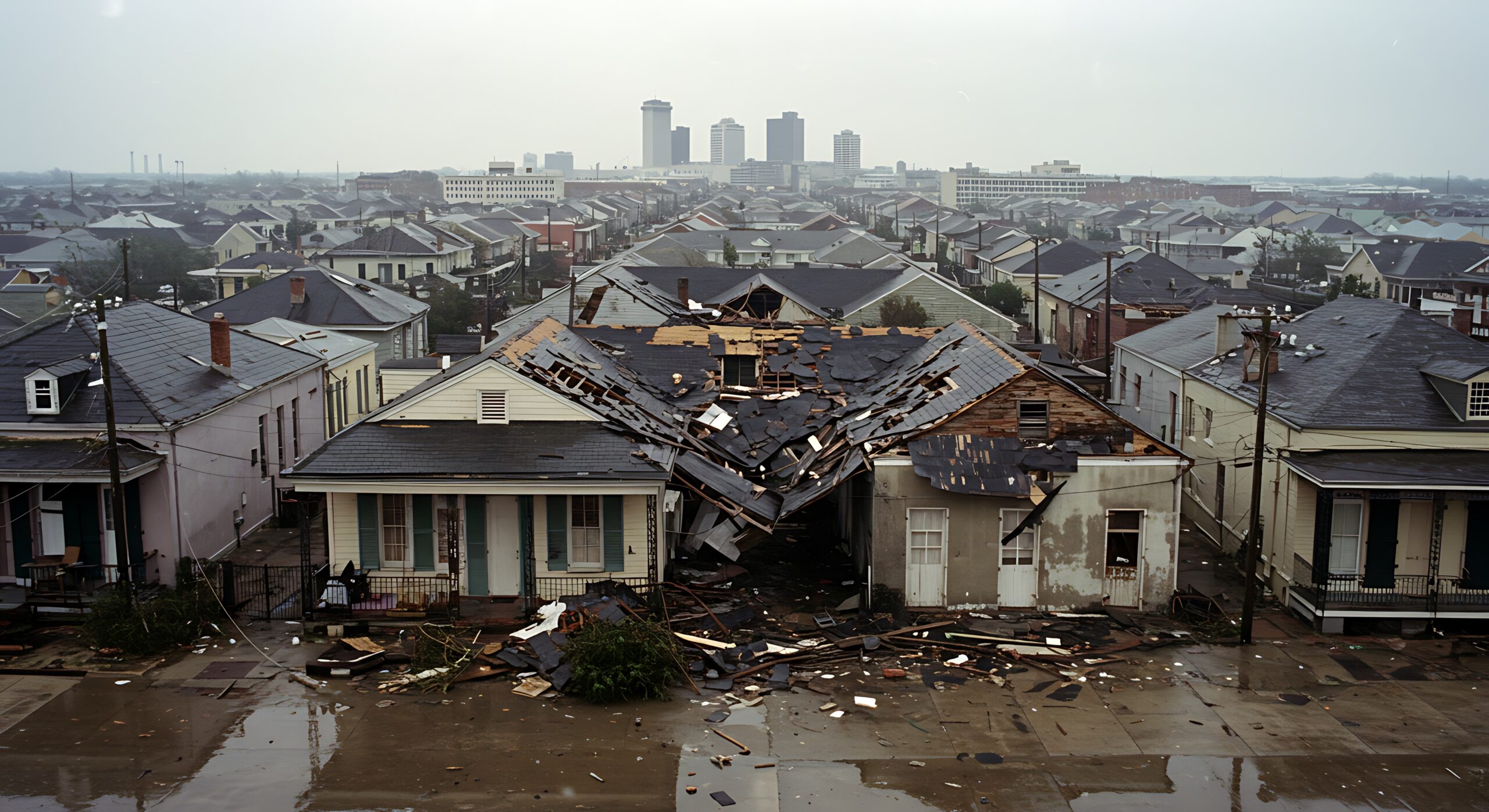
The Flowerree Symposia provide a recurring forum to showcase Tulane University’s role in addressing climate change and its acute impacts in coastal regions such as southern Louisiana. The symposia highlight the local dimensions of a global crisis while focusing Tulane faculty, students, and community stakeholders on how the university can contribute to an evidence-based conversation about solutions. The goal is to bring together ideas and approaches that span the scientific and engineering dimensions of the climate crisis, as well as its human impacts, political challenges, and policy innovations.
2026 Overview
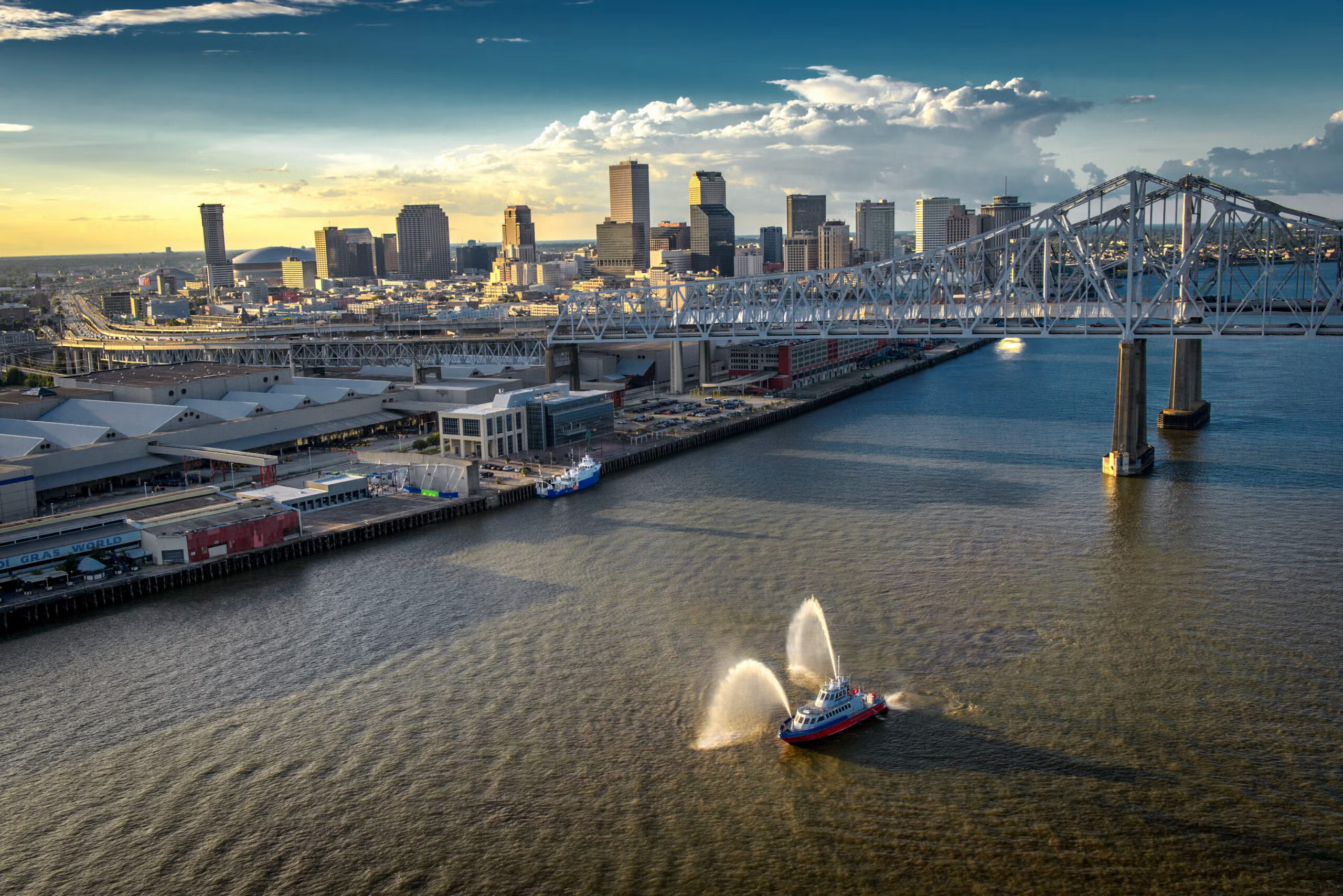
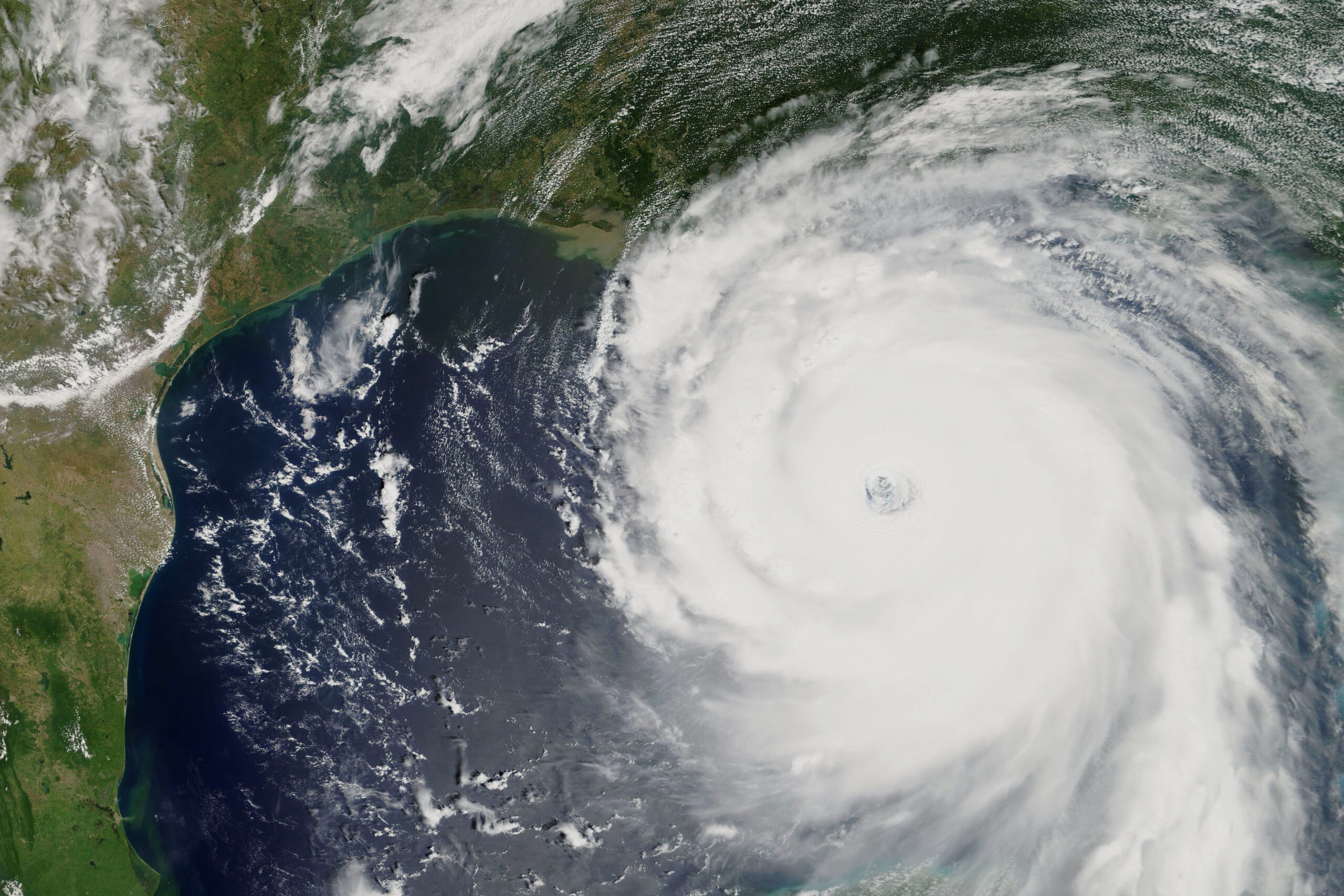
The 2026 Flowerree Symposium, held on October 22 on Tulane’s Uptown Campus, will bring together leading scientists, engineers, policy thinkers, and cultural scholars to examine New Orleans as a living case study in coastal risk reduction. Framed by historic floods, present-day extremes, and future environmental change, the program will explore how the Hurricane Surge Risk Reduction System (HSDRRS) is shaped by sea-level rise, storm-tide behavior, system maintenance, governance, and funding uncertainty. Sessions will also consider Hurricane Katrina’s influence on New Orleans’ musical landscape and the broader cultural dimensions of disaster, recovery, and resilience.
Special thank you to David and Jane Flowerree whose generous support made this event possible.
“We believe Tulane needs to be at the forefront of the ongoing worldwide conversation on the impact of climate change … It is our sincerest hope that the symposia will create a lasting and influential legacy by bringing together some of the brightest minds in a collaborative spirit to tackle this ever-evolving global issue.”
Featured Speakers
Sönke Dangendorf
David and Jane Flowerree Associate Professor of River-Coastal Science and Engineering, Tulane University
Sönke is an internationally recognized expert on sea-level change, coastal flooding, and climate resilience. His research combines observational data, climate and ocean modeling, and advanced statistical methods to understand the causes of past sea-level variability and improve projections of future coastal risk. He has led and contributed to major international efforts to quantify the drivers of sea-level rise and extreme water levels, with a particular focus on translating scientific discoveries into actionable information for coastal communities.
A member of NASA’s Sea Level Science Team and a contributor to assessments of the Intergovernmental Panel on Climate Change (IPCC) and state-level sea-level assessment reports in Maryland and New Jersey, Dr. Dangendorf’s work spans global climate processes while maintaining a strong emphasis on the challenges facing the Gulf Coast and Louisiana’s rapidly changing coastal landscape. His research supports decision-making on adaptation, resilience, and long-term planning in some of the world’s most vulnerable coastal regions.


Charlie Hess
President, Infrastructure and Coastal Restoration, Brown & Root Industrial Services
Charles M. Hess is a senior infrastructure executive, educator, and former federal civil works and emergency management leader with more than five decades of experience in infrastructure delivery, coastal flood risk reduction, disaster response, public works governance, and large-scale program implementation. He currently serves as President, Infrastructure and Coastal Restoration, Brown & Root Industrial Services, and is affiliated with Tulane University’s River-Coastal Science & Engineering program. His recent work has focused on coastal flood risk reduction, infrastructure adaptation, long-term resilience, governance, and the practical delivery of major public infrastructure systems. Mr. Hess previously held senior leadership positions in the U.S. Army Corps of Engineers, FEMA, and the Iraq Project and Contracting Office. His federal service included assignments in civil works, military construction, chemical demilitarization, disaster response, post-conflict reconstruction, and national infrastructure program delivery.
John Barry
Author
Distinguished Scholar at the Tulane University School of Public Health and Tropical Medicine
John M. Barry is an award-winning, No. 1 New York Times best-selling author whose work has influenced national policy on pandemics, flood protection and coastal restoration. His seven books include The Great Influenza, named the year’s best book on science or medicine by the National Academies of Sciences, and Rising Tide, which received the Society of American Historians’ award for the year’s best book of American history.
Barry has advised federal officials and the White House on pandemic preparedness and served on Louisiana’s coastal restoration and flood protection authorities following Hurricane Katrina. He also helped lead efforts to hold oil companies accountable for their role in Louisiana’s coastal land loss. His writing has appeared in Nature, The New York Times, Timeand The Washington Post. He is currently a Distinguished Scholar at the Tulane University School of Public Health and Tropical Medicine and lives in New Orleans.

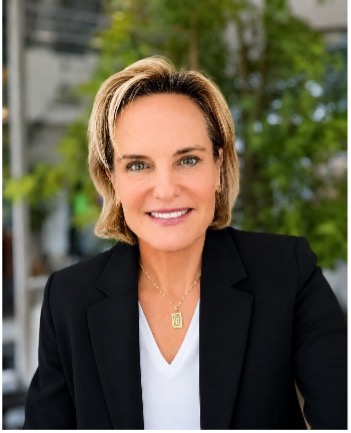
Jill Jameison
CEO, Illuminati Infrastructure Advisors
Jill Jamieson is CEO of Illuminati Infrastructure Advisors and a Distinguished Senior Fellow at Northeastern University’s Global Resilience Institute. A globally recognized leader in infrastructure finance and delivery, she has more than 30 years of experience and has helped clients deliver over $40 billion in projects across the United States and internationally.
Jamieson advises public authorities on infrastructure, climate resilience, government reform and economic development. She is a frequent keynote speaker and has testified before the U.S. House Transportation and Infrastructure Committee. With a background in finance, law and diplomacy, she has lived and worked in more than 20 countries. She is also an endurance athlete who has completed seven marathons on seven continents in seven days and pursued the Triple Crown of Open Water Swimming.
Major General Don T. Riley
Retired, U.S. Army Corps of Engineers
Maj Gen (Ret) Don Riley is a former Deputy Commanding General of the Corps of Engineers and the Army’s Deputy Chief of Engineers. After 37 years of active duty, Don retired in 2010 after serving in Afghanistan as the Senior Engineer for US Forces. Prior to those positions, he directed the Civil Works program for the Corps, following his assignment as the Commanding General of the Corps’ Mississippi Valley Division and President, Mississippi River Commission. During hurricane Katrina recovery operations, he commanded the Corps’ emergency response forces and worked closely with CEQ, EPA, USFWS, DOT and other federal agencies as well as the State of Louisiana and local authorities. Subsequently, his main challenges in Washington were to secure necessary funds and legislation for rebuilding the Hurricane and Storm Damage Risk Reduction System, as well as developing updated national flood risk policy. Don is presently a Senior Advisor with Dawson & Associates – experts in Federal environmental policy and process, Corps’ planning and appropriations, and federal procurement strategy.
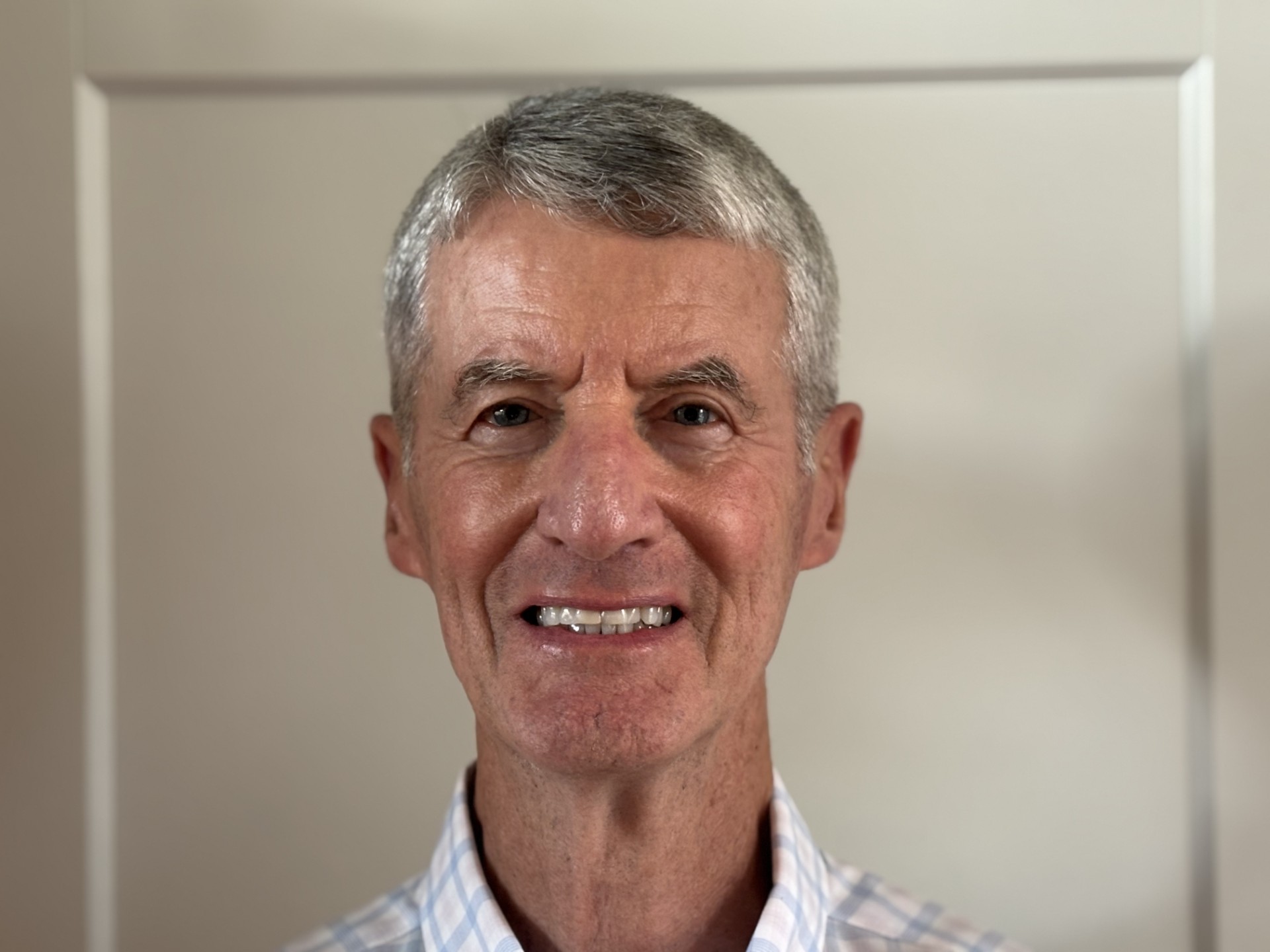
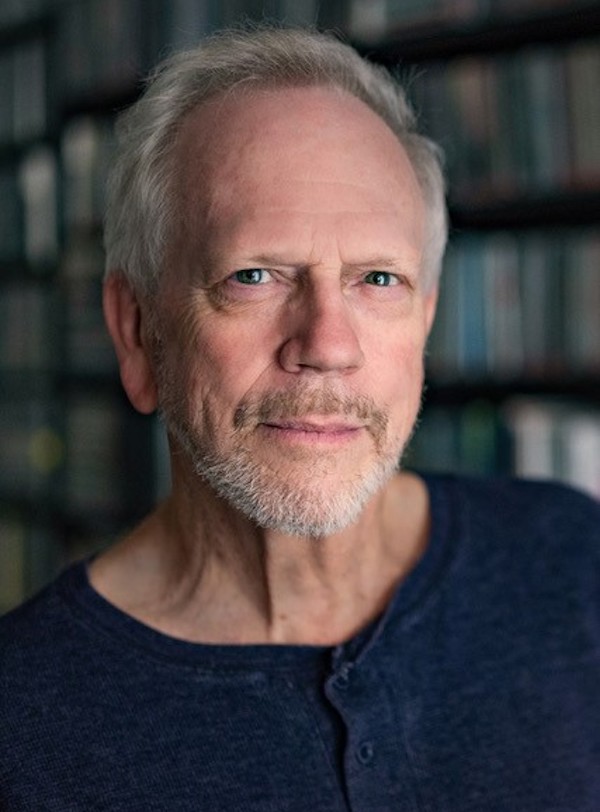
Nick Spitzer
Folklife Presenter, Educator, and Radio Producer
Nick Spitzer is an anthropologist, folklorist, media producer and professor at Tulane University whose work focuses on American vernacular culture. Throughout his career, he has documented and celebrated the local traditions, artists and communities that shape American culture, particularly those of New Orleans and French Louisiana.
Spitzer founded the Louisiana Folklife Program and helped create the Baton Rouge Blues Festival, the Folklife Pavilion at the Louisiana World Exposition and The Creole State, a long-running exhibition at the Louisiana State Capitol. His fieldwork in rural Afro-Creole Louisiana communities also contributed to important scholarship on cultural creolization, the process through which cultures interact to create new forms and meanings. He later curated programs for the Smithsonian Festival of American Folklife and produced or contributed to programming for NPR, ABC News and CBS News.
Since 1998, Spitzer has hosted and produced American Routes, a nationally syndicated public radio program exploring jazz, blues, gospel, Cajun and Creole music, country, soul and other American roots traditions. He has conducted more than 1,200 interviews with musicians and artists and carried his work in cultural diplomacy to audiences in Russia and China. His honors include a Guggenheim Fellowship, an ASCAP Deems Taylor Award, Louisiana Humanist of the Year and lifetime achievement awards from the Louisiana Folklore Society and the American Folklore Society.
Garrett Graves
Former U.S. Representative for Louisiana’s 6th Congressional District
Garret Graves represented South Louisiana in the U.S. House of Representatives from 2015 to 2025, earning recognition as one of the House’s most effective lawmakers. He led bipartisan reforms involving infrastructure, energy, disaster resilience and environmental policy and chaired the Water Resources and Environment and Aviation subcommittees. As a member of House leadership, he helped negotiate major agreements involving federal spending, environmental permitting and Social Security benefits.
Before serving in Congress, Graves led Louisiana’s $20 billion effort to rebuild levees and restore coastal wetlands following Hurricane Katrina. He reorganized portions of five state agencies and helped establish a new state coastal agency. Graves also played a leading role in the Deepwater Horizon negotiations that produced the largest settlement with a single company in U.S. history. Earlier in his career, he served on the staffs of key energy, commerce, science and transportation committees in the U.S. House and Senate.


SCHEDULE
Time |
Program |
10:30 am -11:00 am |
Check In |
11:00 am – 11:15 am |
Welcome and Opening Session
|
11:15 am – 11:45 am |
The 1927 Flood and its Impacts on Risk Reduction
|
11:45 am – 12:15 pm |
Summary of the Lessons-Learned Workshop
|
12:15 pm – 12:45 pm |
Sea Levels and Extremes in a Changing Climate
|
12:45 pm – 1:30 pm |
Lunch Break |
1:30 pm – 2:00 pm |
New Orleans Risk Reduction in a Changing Climate
|
2:00 pm – 2:30 pm |
Barrier Maintenance and Sea-Level Rise
|
2:30 pm – 2:45 pm |
Coffee Break |
2:45 pm – 3:45 pm |
Hurricane Katrina and its Impact on New Orleans’s Music Scene
|
3:45 pm – 4:45 pm |
Panel Discussion: HSDRRS in Times of Uncertain Funding
|
4:45 pm – 5:00 pm |
Closing Remarks
|
Register Now!
For more information please contact flowerreesymposium@tulane.edu.
